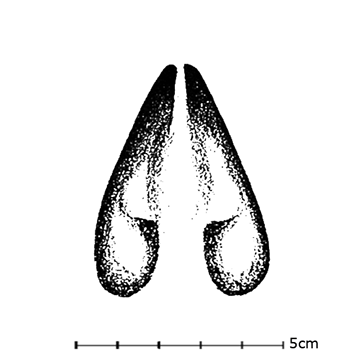
IMPALA
Scientific name: Aepyceros melampus
Phylum: Chordata
Order: Artiodactyla
Species: H. amphibius
Genus: Aepyceros
Vulnerability: Least concern
Active mainly during the day, the impala may be gregarious or territorial depending upon the climate and geography. Three distinct social groups can be observed: the territorial males, bachelor herds and female herds. The impala is known for two characteristic leaps that constitute an anti-predator strategy. Browsers as well as grazers, impala feed on monocots, dicots, forbs, fruits and acacia pods (whenever available).
An annual, three-week-long rut takes place toward the end of the wet season, typically in May. Rutting males fight over dominance, and the victorious male courts female in oestrus. Gestation lasts six to seven months, following which a single calf is born and immediately concealed in cover. Calves are suckled for four to six months; young males—forced out of the all-female groups—join bachelor herds, while females may stay back.The impala is found in woodlands and sometimes on the interface (ecotone) between woodlands and savannahs; it inhabits places near water.